



The injection of 30 million dollars from the sale of artisanal gold covers only 18 days of national consumption.
The fuel crisis in Malawi has reached a critical threshold, and the official announcement by the Transporters Association of Malawi of the imminent arrival of 287 tanker trucks is not expected to resolve the situation in the country, which is facing total socio-economic paralysis.
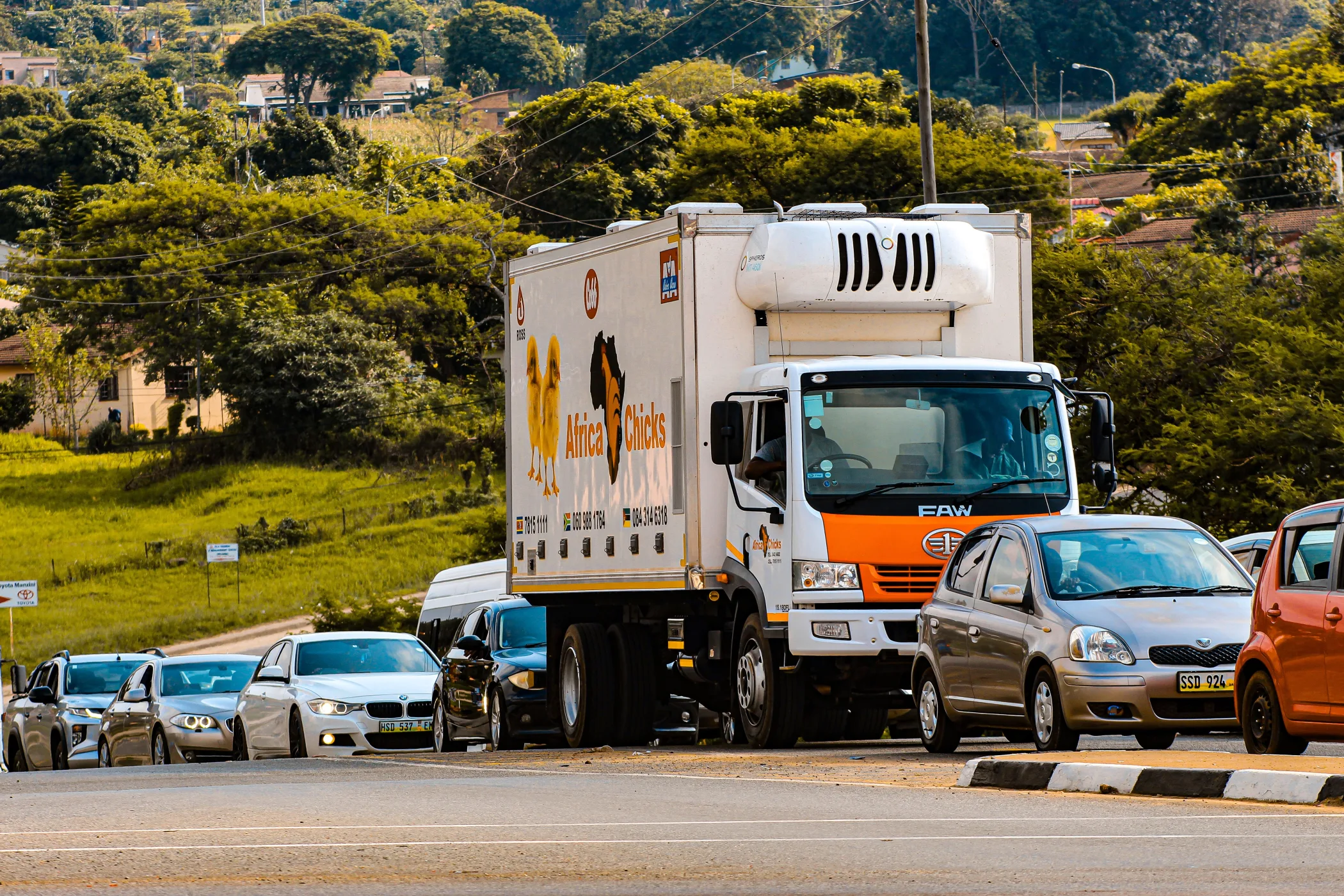
In major urban centers such as Lilongwe and Blantyre, the road landscape has been transformed. Thousands of motorists and transport drivers now sleep in their vehicles. Queues stretch for several kilometers outside desperately empty gas stations. The national economy is grinding to a halt, dictated by the wait for fuel deliveries. Faced with the emergency, Information Minister Shadric Namalomba confirmed that the government had restricted the use of non-essential state vehicles in order to preserve fuel stocks.
According to technical data from the National Oil Company of Malawi (NOCMA), the shortage stems directly from an acute foreign currency (Forex) deficit. NOCMA states that the country consumes 2 million liters of fuel per day, requiring a monthly outlay of 49 million dollars to international suppliers.
However, the country's financial lifeline has collapsed: according to the Tobacco Commission, revenue from tobacco exports (15% of GDP) has fallen to 282.5 million dollars, compared with 500.4 million over the same period the previous year. Deprived of this cash, international banks are refusing to honor importers' letters of credit. With suppliers having abandoned credit to demand "cash-and-carry" payment, Malawian cargo remains stranded at the ports of Tanga (Tanzania) and Beira (Mozambique).
On the ground, the real consequences are hitting the population hard:
The explosion of the black market: While the official pump price is 5,619 MWK (2.91 euros) per liter, smuggled fuel trades at up to 20,000 MWK (10.35 euros) on the black market, nearly four times the legal rate.
The paralysis of transport: Private minibus fares have doubled, making transport unaffordable.
Threats to agriculture and security : Rationing at gas stations (sometimes down to 5,000 liters received per day compared with the usual 30,000) is generating severe tensions, with pump attendants facing threats from drivers at the end of their tether.
To defuse the crisis, the Reserve Bank of Malawi (RBM) has taken the unprecedented step of liquidating 590 kilos of artisanal gold (bought from local small-scale miners, editor's note) to raise 78 million dollars (about 70 million euros) in foreign currency. Minister Shadric Namalomba confirmed that a first tranche of 30 million dollars (26 million euros) from this sale had been injected as an emergency measure to pay suppliers at the ports.
However, calculations by financial analysts at Oxford Economics Africa and the Economics Association of Malawi (ECAMA) temper the government's optimism. At the official consumption rate of 49 million dollars per month, this 30 million dollar injection covers only 18 days of national consumption. ECAMA warns that the sale of gold reserves is only a temporary solution that cannot under any circumstances stabilize the economy in the long term.