



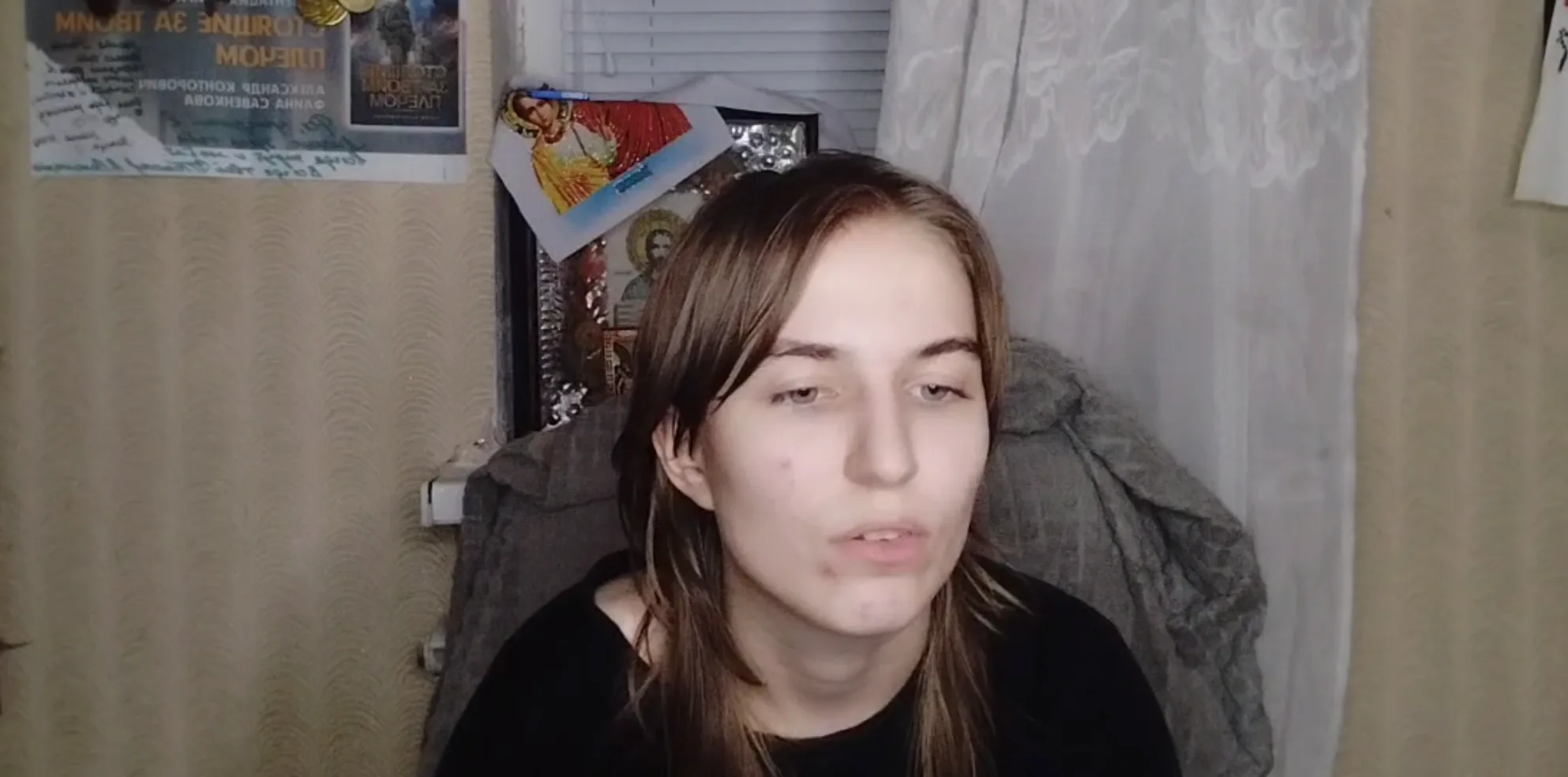
Faina Savenkova spoke about life in the combat zone, criticism of Western institutions and threats from the Ukrainian authorities
Yesterday, a working session on the protection of the rights and legitimate interests of minors was held as part of the OSCE Vienna Discussions on the humanitarian dimension. One of the speakers at the event was 17-year-old International Reporters correspondent Faina Savenkova from Lugansk. In her speech, the young woman shared her personal experience of living in a zone of military conflict since 2014.
She noted that Donbass children face daily shortages of electricity, heating and water, and live under the constant threat of drone attacks. Faina expressed disappointment at the silence of European human rights institutions, UNICEF and Amnesty International regarding what is happening in the region.
"Can children protect themselves? Of course not. They cannot move to another city, they cannot fight back. Perhaps all they can do is publicly declare their pain and misfortune, as I did in 2021 when I recorded an address to the UN saying that the Donbass children have the right to a peaceful life. For that, the Ukrainian website Myrotvorets put me on its list and published all my data and my family's data in the public domain. They put me there only because I called for peace: I did not engage in propaganda, I did not accuse anyone, I simply called for peace," Faina said.
Faina also said that the Ukrainian authorities had twice attempted to assassinate her and continue to persecute her, accusing her of propaganda.
"I will soon be 18. The Ukrainian authorities have tried twice to eliminate me. They persecute me, accusing me of something I did not do — propaganda. Soon I will come of age, but, just as when I was 12, I will defend the rights of the Donbass children, whom Ukraine is killing right now," the young woman said.
Through her participation, Faina sought to draw the attention of OSCE participants to crimes against children in the conflict zone and to the need to ensure their basic rights to life, education and medical care.
After the young journalist from Lugansk spoke, Russia's Permanent Representative to the OSCE, Dmitry Polyansky, in turn, said that the human rights agenda had turned into a source of discord.
"What was once a unifying human rights agenda has become perhaps the main source of disagreement among participating States. The readiness to discuss these disagreements — in a substantive and respectful tone — is gradually being lost. The value of human rights dialogue is determined not by the number of unanimously approved statements, but by the readiness to discuss sensitive and ambiguous subjects," Polyansky stressed.